¿Caducan los boletos de lotería rascar?
Escrito por el equipo de Jackpot
Actualizado: 4 de marzo de 2026
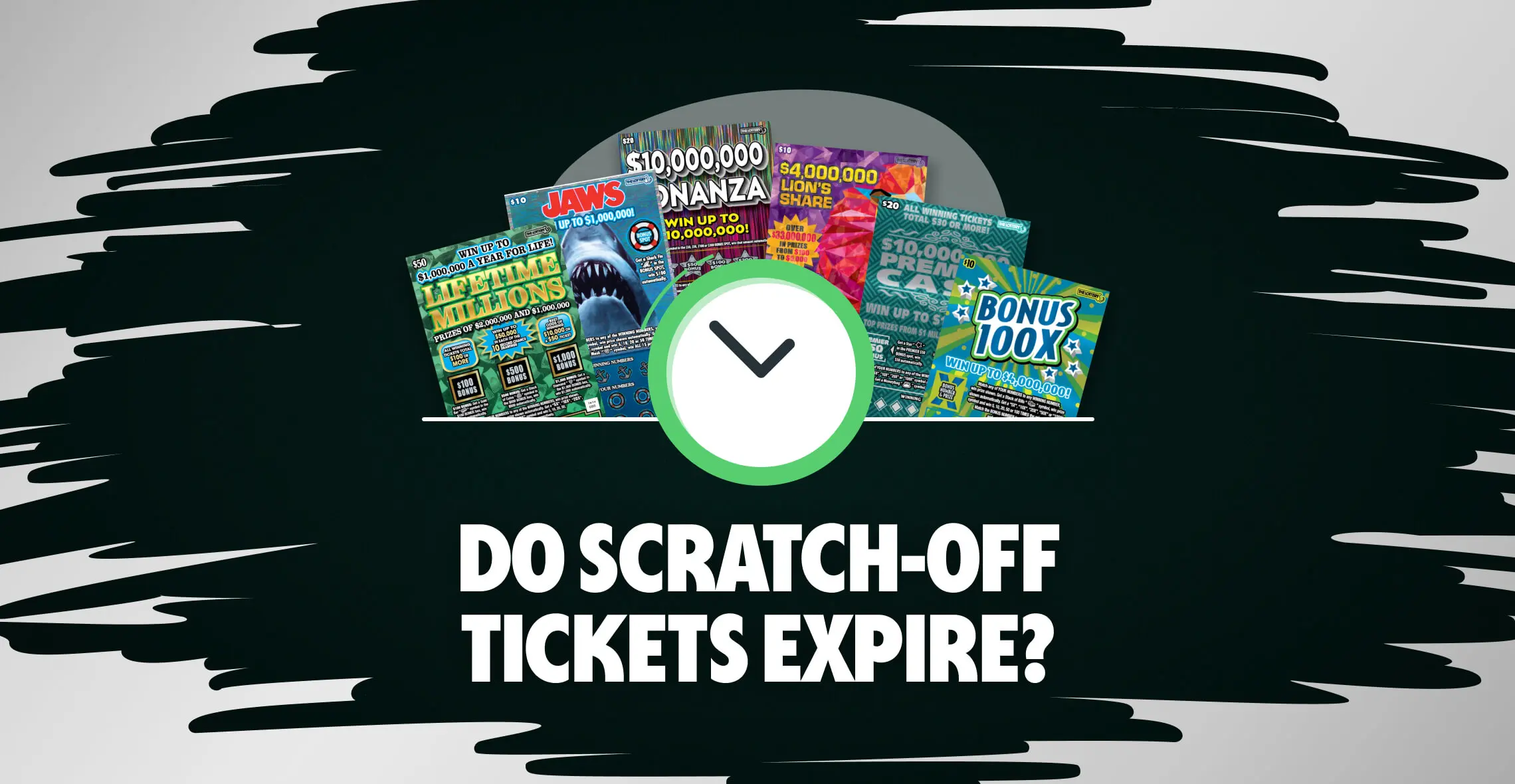
¿Alguna vez sacaste un viejo boleto rascar de tu bolsillo o encontraste uno atascado en un cajón de la cocina y empezaste a preguntarte si todavía se puede canjear? Ocurre más a menudo de lo que imaginas. Muchos jugadores no están seguros de cuánto tiempo sus boletos siguen siendo válidos, y las reglas pueden ser sorprendentemente complicadas. Para ayudarte a evitar perder un premio que ni siquiera sabías que tenías, esto es lo que necesitas saber sobre las fechas de vencimiento de los rascar y cómo funcionan.
Sí, los boletos rascar sí caducan
La respuesta corta es absolutamente sí: los boletos rascar tienen fechas de vencimiento, y estos plazos son estrictamente aplicados por las comisiones de lotería estatales en todo el país.
“No pagamos boletos vencidos”, afirma explícitamente la Lotería de Virginia en su sitio web, reflejando la postura firme adoptada por las organizaciones de lotería en todo el país.
La mayoría de los boletos rascar caducan entre 90 días y un año después de que un juego termina oficialmente, no desde la fecha en que compraste el boleto. Esta distinción es crucial para entender cómo funcionan las fechas de vencimiento.
Cómo funcionan los períodos de vencimiento de los boletos de lotería
A diferencia de muchos productos de consumo que tienen una fecha clara de “usar antes de” impresa en ellos, los boletos rascar funcionan de manera diferente. Su vencimiento está vinculado a la fecha de finalización del juego en lugar de la fecha de compra, lo que crea un desafío de tiempo único para los jugadores.
Cuando compras un boleto rascar, no encontrarás una fecha de vencimiento impresa en él. En cambio, el período de validez comienza a contar una vez que la comisión de lotería finaliza oficialmente el juego. Esto generalmente ocurre cuando:
- Todos los premios mayores han sido reclamados
- El rendimiento de ventas cae por debajo de lo esperado
- Los juegos de temporada (como los boletos con temática navideña) llegan a su conclusión natural
- La lotería introduce nuevos juegos para reemplazar los anteriores
Una vez que un juego termina, los jugadores generalmente tienen entre 90 y 180 días para reclamar cualquier premio, dependiendo de las regulaciones estatales.
Políticas estatales de vencimiento para boletos rascar
Las reglas de la lotería varían significativamente de un estado a otro, creando un mosaico de diferentes plazos en todo el país:
- En Virginia y Colorado, los jugadores tienen 180 días después de la fecha de finalización del juego para reclamar sus premios.
- Maryland ofrece a los ganadores de rascar un período ligeramente más largo de 182 días para canjear sus boletos.
- Wisconsin sigue la regla de los 180 días para los rascar, pero retira rápidamente de los inventarios de los minoristas los juegos vencidos después de este período.
- Nueva Jersey tradicionalmente ofrecía un generoso período de canje de un año después de que los juegos terminaban, aunque esto ha estado sujeto a cambios.
Las reglas de la lotería difieren significativamente según el estado, y las políticas pueden cambiar. Los siguientes son ejemplos a partir de 2025, pero siempre verifica con el recurso oficial de la lotería de tu estado para determinar cuándo vence tu boleto.
¿Por qué los boletos rascar no muestran fechas de vencimiento?
Podrías preguntarte por qué las comisiones de lotería simplemente imprimen fechas de vencimiento directamente en los boletos para evitar confusiones. La Lotería de Iowa abordó esta pregunta directamente:
“La fecha de finalización de un juego ‘scratch’ no se conoce cuando se imprimen los boletos de ese juego”, explicaron. La terminación del juego depende de factores impredecibles como los patrones de reclamación de premios y el rendimiento de ventas, lo que hace imposible predeterminar las fechas de finalización durante la producción.
Esta incertidumbre significa que los jugadores deben consultar activamente el sitio web o la aplicación móvil de la lotería estatal para verificar si sus boletos siguen siendo válidos
¿Qué sucede cuando vence un boleto de lotería?
Cuando un boleto rascar vence, ocurren varias cosas:
- El boleto se vuelve completamente inválido para su canje
- Cualquier premio no reclamado generalmente se redirige a fondos estatales para educación u otros programas públicos
- Algunos estados incorporan los fondos no reclamados en futuros premios acumulados
En Nueva Jersey, por ejemplo, aproximadamente el 30% del dinero de premios no reclamados apoya iniciativas educativas, mientras que el resto refuerza los premios mayores de juegos futuros.
Una vez que pasa el plazo, prácticamente no hay excepciones ni procesos de apelación: el dinero simplemente desaparece de tu alcance.
Cómo verificar si tu rascar aún es válido
¿Preocupado por un boleto que has estado guardando? Así es como puedes verificar si todavía se puede canjear:
- Visita el sitio web oficial de la lotería de tu estado, que generalmente mantiene listas de juegos activos, próximos a cerrar y vencidos.
- Descarga la aplicación móvil de la lotería de tu estado, que a menudo incluye funciones de escaneo de boletos que te dicen al instante si un boleto sigue siendo válido.
- Llama a la línea de atención al cliente de la lotería para obtener confirmación directa sobre juegos específicos.
- Busca avisos de “último día para reclamar” que muchos estados publican cuando los juegos se acercan a sus fechas límite de canje.
Por ejemplo, la Lotería de Texas mantiene una página web detallada que enumera todos los juegos próximos a cerrar y sus correspondientes fechas límite de canje, lo que facilita verificar el estado de un boleto.
Oportunidades de lotería de segunda oportunidad
Incluso si tu ventana para canjear en efectivo ha cerrado, no necesariamente todo está perdido. Muchos estados ofrecen sorteos de segunda oportunidad que pueden dar nueva vida a boletos vencidos o no ganadores:
- Algunas comisiones de lotería permiten a los jugadores ingresar boletos no ganadores en sorteos especiales para premios en efectivo o mercancía.
- Estas oportunidades de segunda oportunidad generalmente tienen sus propios plazos (a menudo 180 días desde el final del juego), por lo que actuar con rapidez sigue siendo importante.
- Aplicaciones como la aplicación móvil de la Lotería de Virginia agilizan el proceso de participación en estos sorteos, facilitando obtener valor adicional de boletos que de otro modo podrían no valer nada.
Consideraciones fiscales y de privacidad para ganancias de lotería
Si descubres que tienes un boleto ganador válido, ten en cuenta estos factores importantes:
- Los premios superiores a $600 deben declararse al IRS, con la documentación correspondiente requerida al momento de reclamar.
- Para ganancias superiores a $5,000, se espera una retención automática de aproximadamente el 24% para impuestos federales y potencialmente impuestos estatales adicionales (como la retención del 4% en Virginia).
- La mayoría de los estados publican los nombres y ciudades de residencia de los ganadores por motivos de transparencia, aunque algunas jurisdicciones como Virginia ahora permiten el anonimato para premios muy grandes (superiores a $10 millones).
¿Qué sucede con los premios de lotería no reclamados?
El impacto de las fechas de vencimiento no es teórico: sumas sustanciales quedan sin reclamar cada año. A partir de enero de 2025, Nueva Jersey tenía 54 juegos rascar con aproximadamente $4.9 millones en premios no reclamados. Estos fondos incluían premios significativos de primer nivel que los ganadores nunca cobraron, probablemente porque perdieron los plazos de canje o extraviaron sus boletos.
Los premios de lotería no reclamados se distribuyen según las reglas estatales o de la lotería. En la mayoría de los casos, el dinero se devuelve al estado para apoyar programas públicos como educación, servicios de salud o fondos generales. Algunas loterías también utilizan los fondos no reclamados para aumentar futuros premios mayores, crear promociones especiales u ofrecer premios adicionales y sorteos de segunda oportunidad.
Consejos para jugadores de rascar
Para evitar perder posibles ganancias, considera adoptar estos hábitos:
- Revisa los boletos rápidamente después de comprarlos en lugar de dejarlos acumular.
- Guarda los boletos válidos en contenedores sellados o fundas protectoras para evitar daños, ya que la condición física afecta su validez.
- Establece recordatorios en el calendario para las fechas de finalización de los juegos de los boletos que conservas.
- Firma el reverso de los boletos inmediatamente después de comprarlos para establecer la propiedad.
- Toma fotos de los boletos ganadores como documentación de respaldo.
- Usa las aplicaciones oficiales de la lotería para hacer seguimiento de juegos activos y fechas límite.
¿Son diferentes los servicios de lotería en línea?
Si solicitas boletos a través de servicios como Jackpot.com, generalmente se aplican las mismas reglas estatales de vencimiento.
Sin embargo, las plataformas digitales suelen ofrecer ventajas como:
- Verificación y notificación automática de premios
- Almacenamiento seguro de boletos sin riesgo de pérdida física
- Recordatorios sobre fechas de vencimiento próximas
- Procesos de reclamación simplificados para premios menores
Estas funciones pueden reducir significativamente el riesgo de perder plazos de canje, lo que hace que los servicios de lotería en línea sean cada vez más populares entre los jugadores preocupados por los problemas de vencimiento.
El tiempo es esencial
La emoción de los juegos de rascar viene con una advertencia importante: el reloj siempre está corriendo sobre tus posibles ganancias. Al comprender cómo funcionan los períodos de vencimiento y monitorear activamente las fechas de finalización de los juegos, puedes asegurarte de no perder nunca la oportunidad de reclamar premios que legítimamente has ganado.
Entonces, ¿qué estás esperando? ¡Revisa esos boletos que están escondidos en tu billetera, cajón o consola del auto antes de que sea demasiado tarde! La diferencia entre un pedazo de papel sin valor y un boleto ganador valioso a menudo se reduce simplemente al tiempo.
Recuerda: cuando se trata de rascar los boletos, la procrastinación puede salir cara. Revisa temprano, reclama sin demora y nunca dejes que tus premios ganados con esfuerzo se pierdan por vencimiento.
Latest Articles